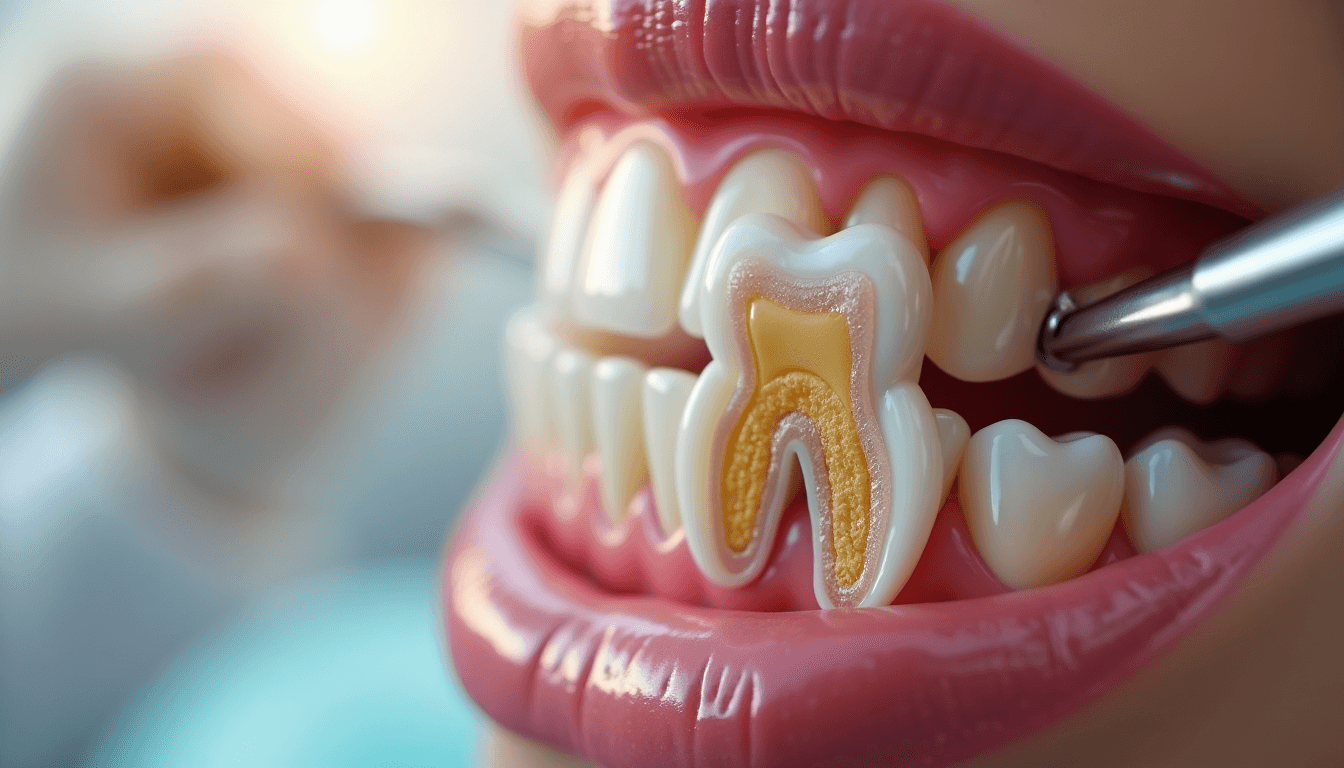
1. Teeth Begin to Develop Before Birth
Even before you're born, teeth begin their formation. The buds for baby teeth appear around the seventh week of fetal life.
2. Enamel — The Hardest Tissue in the Body
The outermost layer of the tooth, enamel, is the hardest tissue in the human body. Although harder than bone, it can be damaged over time by food acids and insufficient oral hygiene.
3. As Unique As a Fingerprint
Teeth are as unique as fingerprints. No one else has teeth just like yours, making them an excellent identification tool in forensic medicine.
4. Enzyme: The Key to Maintaining an Eternal Smile
Our body produces an active enzyme called amylase, which breaks down sugars right in the mouth, preventing decay.
5. Average Lifespan of Teeth
On average, a person has 32 teeth and they live for about 50-100 years. Their durability depends on genetics and oral hygiene.
6. Record for the Oldest Preserved Tooth
The oldest tooth ever found is from around 14,000 years ago and was discovered in Italy, attesting to the longevity of this body part.
7. About 300 Different Species of Bacteria in the Mouth
The human oral cavity hosts about 300 types of bacteria, some of which are crucial for health, while others can cause decay and gum disease.
8. The Tongue — Guardian of Teeth
Your tongue not only aids in speech and swallowing but also acts as a natural toothbrush, removing food debris from tooth surfaces.
9. Pedinguitis — The Mysterious Disease of Artificial Teeth
Although artificial teeth are designed to last as long as possible, they can be affected by a rare condition called pedinguitis, which causes premature wear.
10. There is a Science of Teeth Called 'Odontology'
The term odontology refers to the study of the structure, function, and treatment of teeth, highlighting the vital importance of oral health in modern medicine and dentistry.