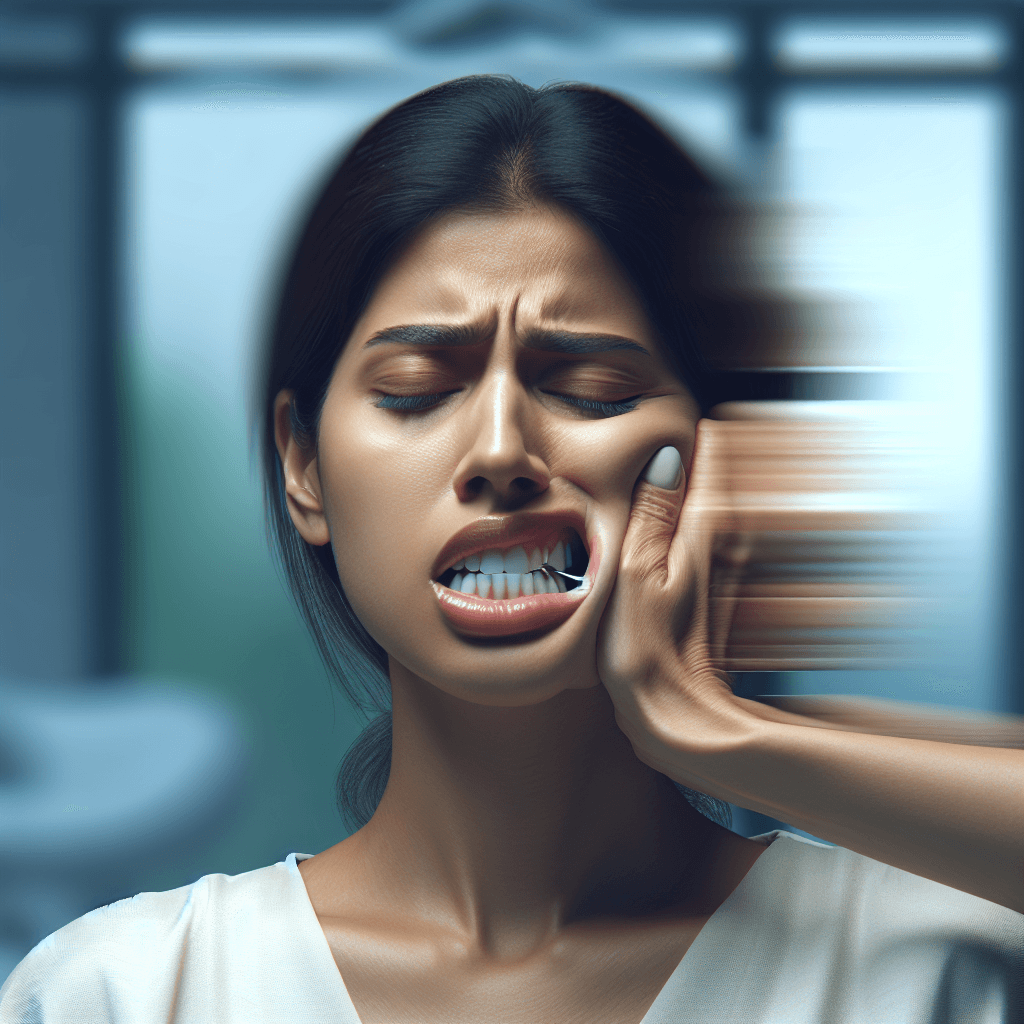
How Does Stress Affect Oral Health?
Stress is a common issue in today's fast-paced world. While many people believe that stress doesn't directly impact oral health, its effects can be very detrimental, often going unnoticed at first glance.
Teeth Grinding and Jaw Clenching
One of the most common manifestations of stress in the mouth is bruxism, or the unconscious grinding of teeth, often at night. This can lead to enamel wear, cracks, and even tooth displacement, causing further health and aesthetic issues.
Gum Problems
Stress also contributes to the weakening of the immune system, increasing the risk of gum inflammation. Untreated gum inflammation can develop into more severe periodontal diseases, which are one of the leading causes of tooth loss.
How to Manage Stress Effects on Teeth?
Fighting stress is not just about achieving better psychological well-being, but above all, it's an investment in the health of our teeth and gums. Understanding the impact of stress is the first step in taking care of oral health and well-being every day.